High voltage electricity tower landscape at sunset

Using Regional-First Planning to Streamline Large Load Interconnection
How to align the large load interconnection process and system-wide transmission planning for maximum impact
When large loads such as data centers connect to the grid, the additional load is addressed through two separate transmission frameworks: the load interconnection process and system-wide planning. This approach misses significant efficiencies that can arise from merging these two processes through a new approach: regional-first planning.
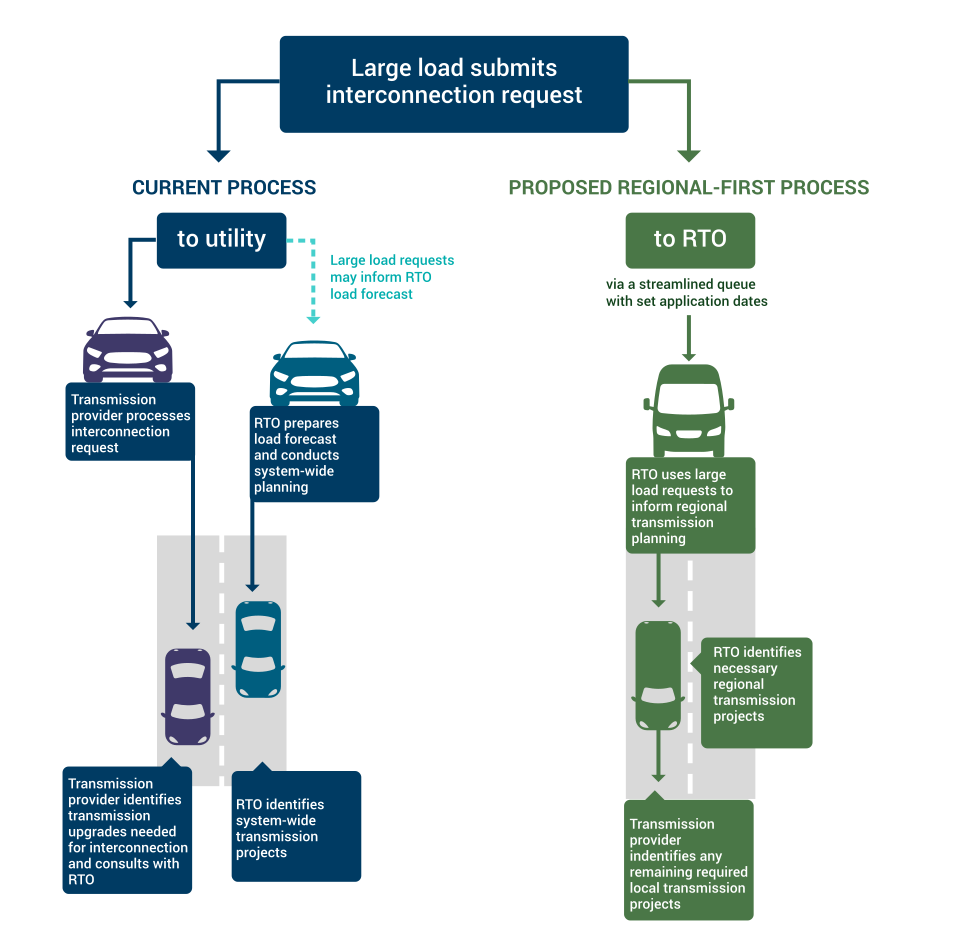
Regional-first planning combines several inputs, including large load interconnection requests, into one singular region-wide planning model. The model first identifies the necessary system-wide transmission projects before identifying any remaining necessary interconnection upgrades. In other words, instead of driving two separate cars — system-wide planning and the large load interconnection process — on parallel roads under the current approach, regional-first planning combines these processes together into one larger car driving on one highway. This approach enables more efficient, “right-sized” investments, captures the cost and reliability benefits of system-wide transmission projects, and can reduce total transmission costs.
How does regional-first planning work?
The diagram above outlines the key steps in regional-first planning (right side) and how it differs from current approaches (left side). Below is a summary of the three conceptual steps of regional-first planning, with additional detail available in RMI’s Mind the Regulatory Gap report. No region to date has fully implemented a regional-first framework.
- Centralized large load interconnection queue
First, large loads would submit their interconnection requests to the transmission provider (e.g., Regional Transmission Organization) through a streamlined large load interconnection queue with clear submission cycles and deadlines. Today, these requests are handled at the transmission owner level, which has resulted in issues with data reporting up to the system-wide level (e.g., RTO) and potential inaccuracies in regional load forecasts.
Centralizing large load interconnection requests at the system-wide level would strengthen transmission planning by improving data visibility and coordination. It would also enable a more streamlined design of transmission projects to serve multiple load interconnection requests at once while preserving utility access to data and existing relationships between customers and utilities.
- Regional-first transmission planning
Second, the transmission provider would use the large load requests to inform regional-first transmission planning, identifying system-wide projects as necessary to simultaneously meet all large load requests and broader system needs together. This step would effectively replace the role of system impact studies in the current interconnection process, shifting the focus from project-by-project analysis to coordinated, system-level solutions.
- Targeted local and interconnection investments
Third, after identifying system-wide projects, individual transmission owners would propose any remaining transmission projects necessary to meet reliability requirements and complete interconnections. Because many system-wide needs would already be addressed in the prior step, these projects are expected to be more incremental in nature. These after-the-fact projects should be subject to greater regulatory scrutiny to ensure they are designed prudently and cost effectively. In addition, transmission owners would also identify needed customer interconnection facilities.
Regional first planning also helps address the regulatory gap
Introducing a regional-first planning framework can help to address the regulatory gap that currently exists within the large load interconnection process. As RMI has previously written in Mind the Regulatory Gap, load-related network upgrades — and local transmission projects more generally — often do not receive sufficient oversight or review from state and federal regulators. These projects are often exempted from having to receive a state permit (Certificate of Public Convenience and Necessity, or CPCN), and state regulators may not have the technical capacity to review projects for prudence or cost-effectiveness.
Costs for transmission projects are typically approved at the federal level by the Federal Energy Regulatory Commission (FERC) through its formula ratemaking process. However, FERC assumes that expenses are prudent unless proven otherwise by a third-party intervenor. Given the high barrier to entry for third-party intervenors in FERC rate cases, this means that frequently, load-related network upgrades are approved without a meaningful look at prudence.
A regional-first planning framework helps close this gap by subjecting projects to broader stakeholder review and evaluating them within a system-wide planning process. This approach enables more consistent and transparent assessment of project need, prudence, and cost-effectiveness before investments are made.
Other federal actions can help address the regulatory gap for network upgrades
Even with regional-first planning, incremental upgrades for new large loads will still need to be designed and approved by state regulators. To further assist states with better understanding these load interconnection network upgrades for cost prudency, the following recommendations from Mind the Regulatory Gap could also be implemented:
- FERC or Congress could create a federal or regional Independent Transmission Monitor (ITM) to assist state regulators and consumer advocates with better understanding network upgrade project costs and technical designs to ensure states are accurately issuing CPCNs. The ITM can also review transmission spending trends and recommend changes to planning processes to lead to further efficiencies.
- FERC could require standardized data reporting for transmission projects of all scales and share project-level data with state regulators, including whether a transmission project is driven by a large load interconnection request, through its formula ratemaking process. Currently, states are struggling to differentiate transmission investments across drivers and customer classes. Adding clarity on which projects are directly driven by large load interconnection needs can help state regulators best assign costs for recovery.
These recommendations, paired with implementing a regional-first large load interconnection approach, can collectively close the regulatory gap and result in the most efficient planning outcomes for ratepayers.
Building a more strategic and accountable path forward
In this series, we have shown that system-wide and regional-first transmission planning is a more effective approach for preparing the grid for large loads than relying on piecemeal network upgrades increasingly identified through the interconnection process. Realizing the full benefits of system-wide planning will require regulators and planners to invest time and resources into a more proactive, coordinated, and regional-first approach. Confidence in this can be strengthened through robust forecasting, scenario analysis, and phased investment strategies that help manage risk.
With careful, forward-looking planning, stakeholders can respond effectively to rapid load growth while building a transmission system capable of meeting future needs and policy goals.
What is RMI doing?
RMI provides resources on how electric tariff design and other regulatory tools can be used to connect large loads to the grid while maintaining affordability, reliability, and state policy goals. For more information visit our Large Loads Tariffs Dashboard.